FAQ’s
Is a UV system required, and what does UV address in water?
It is optional but strongly suggested (especially in private well applications) and will address bacteria in water (boil water advisory).
Should I be concerned about PFAS/PFOA (micro plastics) on Martha’s Vineyard?
Yes, PFAS is a growing concern in all water sources and should be treated if found in your water supply.
Can my water be treated for specific contaminants?
Yes, if you are concerned about a specific contaminant, a water quality test can be performed to determine exact PPM. Then a system can be designed to reduce your specific concern.
Doesn’t the town filter my water?
Yes, however the town water systems are designed to produce quantity over quality. This usually means your drinking water has left the treatment plant heavily chlorinated, with many particulates still in tow, not to mention the ions it picks up along the way.
What if I’m on a well? I thought Martha’s Vineyard had good quality ground water?
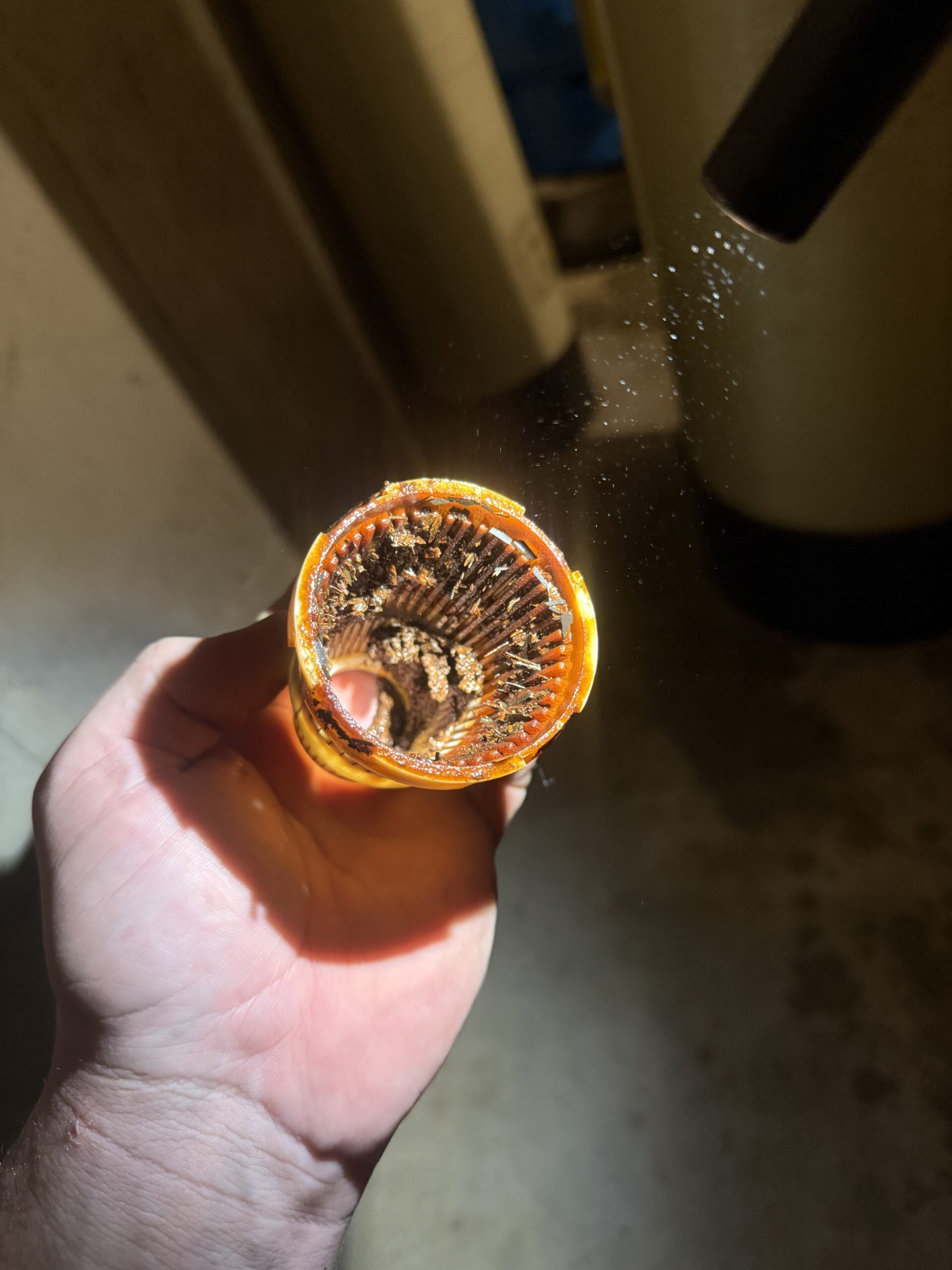
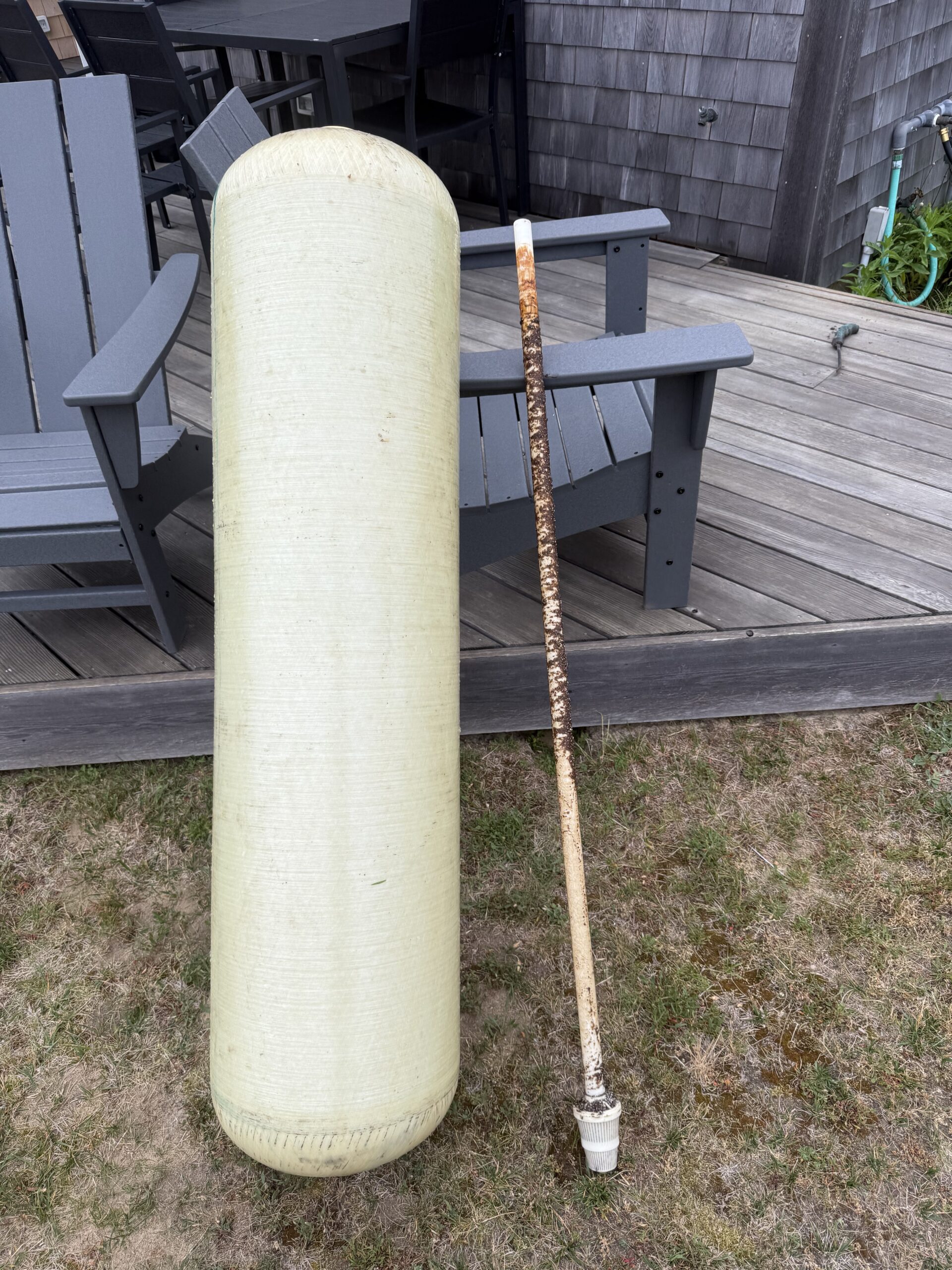
The water on the Vineyard is not usually hard since it is filtered through sand; however this makes the water very acidic. This acidity causes pinhole leaks in water lines, the premature wear of all plumbing fixtures (boilers, water heaters, showers, faucets, etc.). This acidity is also not good for the human body either by contact or consumption.
What should I do if my water has a bad smell? Is that common, and can we test for bad smells?
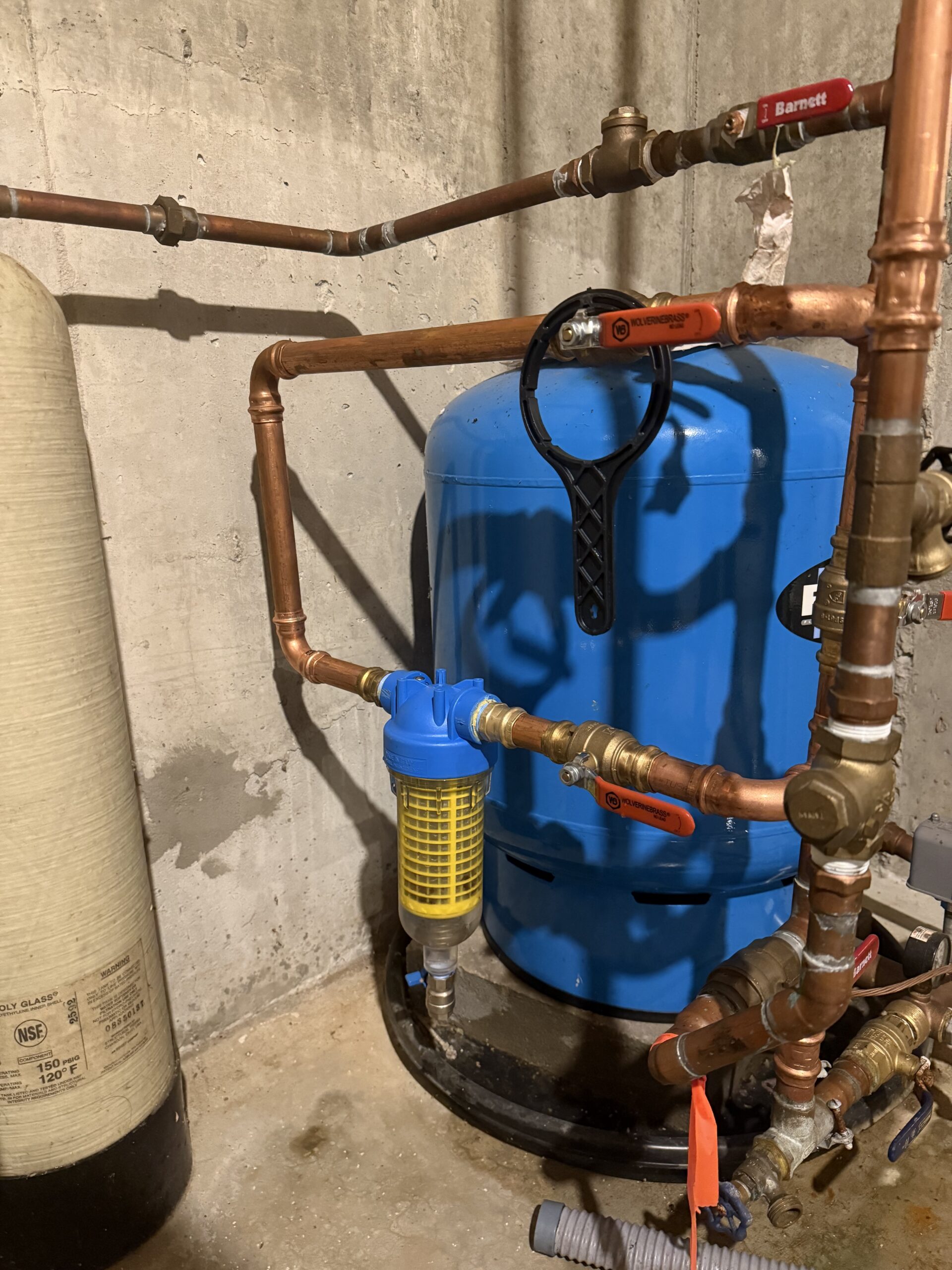
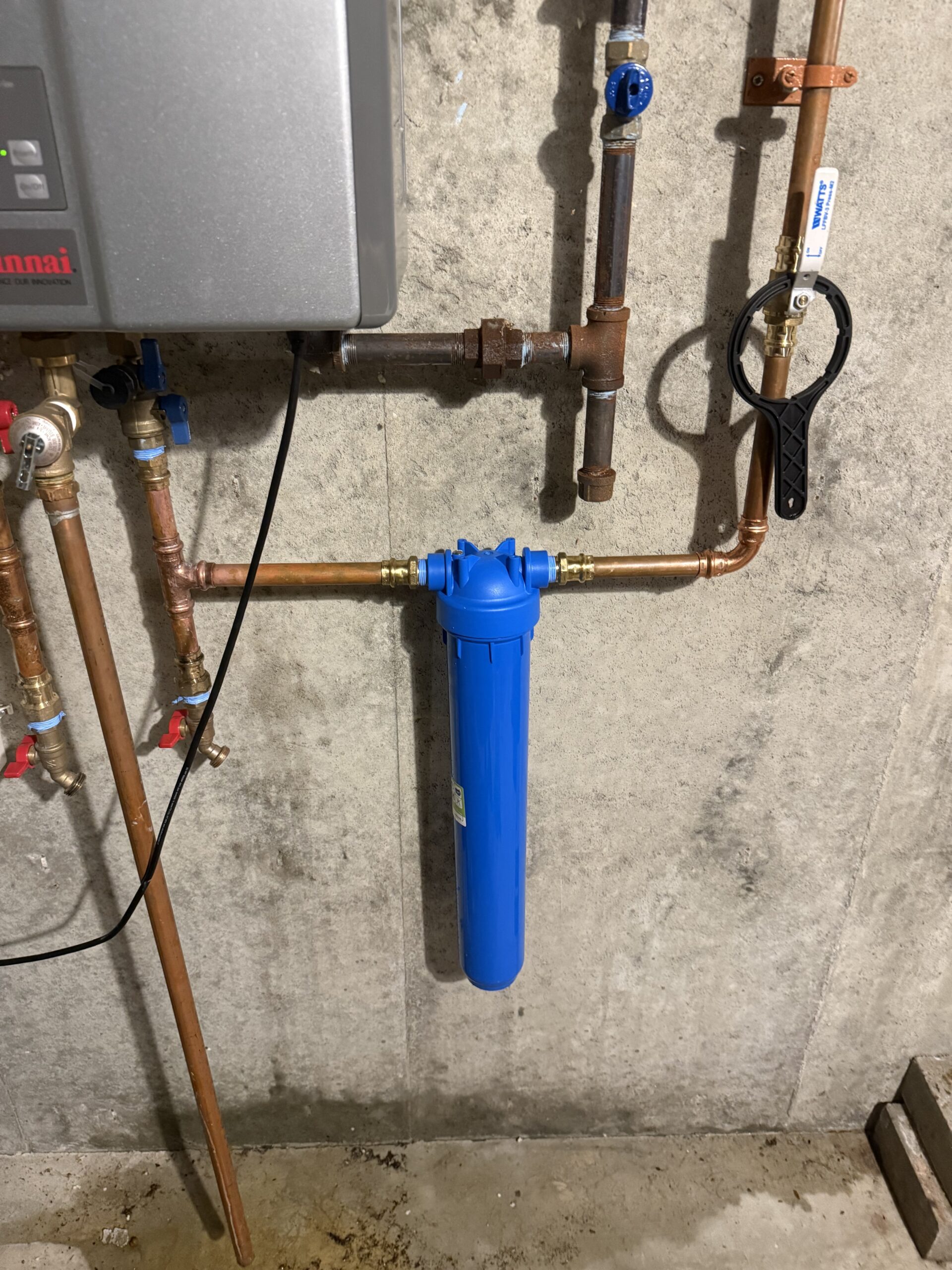
Yes, technically you can test for smell, through third party lab only, but the best detection is onsite with a smell test and system can be designed to remove the contaminants causing the odor. If it’s city water we can typically isolate the issue to the HOT WATER SIDE only. A scale armor filter can be added before the water heater.

Cons of Not Installing a Water Filtration or Softening System
Without proper water treatment, homeowners may face several issues:

Health Risks
- Exposure to contaminants like lead, arsenic, and bacteria can lead to severe health problems.
- Nitrates in drinking water can be dangerous for infants, leading to oxygen deprivation (blue baby syndrome).

Plumbing & Appliance Damage
- Hard water deposits cause pipes to clog, reducing water flow and increasing plumbing maintenance costs.
- Water heaters and washing machines can break down prematurely due to scale buildup.
Poor Water Quality
- Chlorine and hydrogen sulfide can make water taste and smell unpleasant.
- Iron and manganese stains sinks, tubs, and clothes.

Increased Costs
- Higher electricity and detergent costs due to inefficient appliances and excessive soap usage.
- Frequent plumbing repairs and appliance replacements due to hard water damage.